
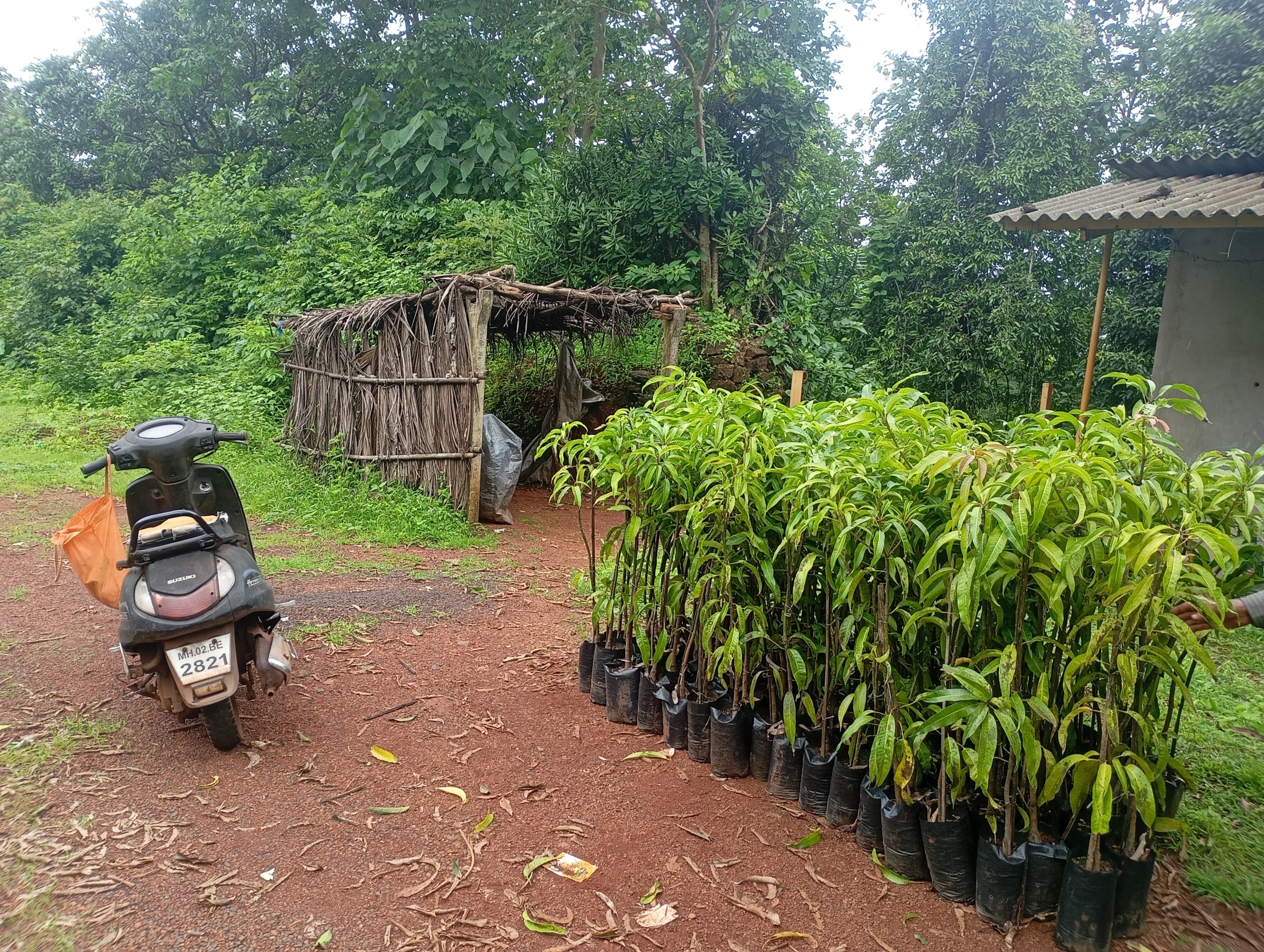
Imagine walking out to your sun-drenched backyard or terrace garden on a warm summer morning, reaching up, and plucking a perfectly ripe, golden-saffron Alphonso mango from a tree you nurtured yourself. The intoxicating aroma that fills the air, the incredibly smooth, fiberless flesh, and that legendary, rich sweetness—there is an undeniable reason why the Alphonso (lovingly known as Hapus) is celebrated globally as the ultimate “King of Fruits.”
For generations, if you wanted to grow a genuine Alphonso tree, you had to travel directly to the coastal orchards of Konkan to source a reliable sapling. But modern logistics have completely changed the game. Today, you can easily buy an Alphonso mango plant online in India and start your own fruit-growing legacy with just a few clicks.
However, buying live plants online is not like ordering clothes or electronics. It requires a bit of insider knowledge to avoid scams, low-quality varieties, and shipping failures. This comprehensive, independent guide will walk you through everything you need to know to choose the perfect plant and ensure it thrives in your specific region.
1. The Critical Choice: Grafted vs. Seed-Grown Saplings
When you begin searching online for mango plants, you will find a massive variation in prices. Some sellers offer incredibly cheap saplings. In almost every case, these cheap alternatives are grown directly from a mango seed (seedlings). If you want quality fruit in your lifetime, avoid them.
Understanding the difference between the two is crucial for your gardening success:
Seed-Grown Saplings (The Risky Path)
-
The Waiting Game: A tree grown from a seed takes anywhere from 8 to 12 years to produce its very first flower.
-
Genetic Uncertainty: Mango seeds do not grow “true-to-type.” Because of cross-pollination, the fruit from a seed-grown tree will rarely taste like the parent Alphonso. You might end up with a sour, fibrous, or flavorless mango after waiting a decade.
-
Unmanageable Size: Seed-grown trees grow into massive, towering giants, making them impossible to manage in a standard home garden.
Scientifically Grafted Plants (The Expert Choice)
-
Rapid Production: Because the graft is taken from a mature, fruit-bearing mother tree, the sapling already thinks it is mature. It skips the long juvenile phase and can start flowering in just 2 to 3 years.
-
100% Genetic Purity: Grafting (such as stone grafting, wedge grafting, or epicotyl grafting) ensures that the new plant carries the exact DNA of the premium parent tree. Your harvest will have the authentic flavor, saffron color, and distinct aroma.
-
Compact & Sturdy: Grafted trees grow into highly manageable, compact structures. This makes them perfect for suburban backyards and even large clay or plastic pots on sunny terraces.
2. Myth Buster: Can Alphonso Grow Outside Coastal Regions?
One of the most common misconceptions among Indian gardeners is that Alphonso mangoes will only grow in the coastal belts of Maharashtra. People assume that if they live in Delhi, Bangalore, Hyderabad, or Kolkata, the plant will simply die or refuse to fruit.
This is entirely false.
While it is true that the specific laterite soil and humid sea breezes of the Konkan coast create a flawless cosmetic skin finish for commercial exports, the Alphonso tree itself is incredibly resilient and highly adaptable.
Alphonso mango trees thrive in tropical and subtropical climates across almost every state in India. To successfully grow this variety outside its native region, you only need to satisfy three basic environmental conditions:
-
Abundant Sunlight: Mango trees are sun worshippers. The selected spot must receive at least 6 to 8 hours of clear, direct sunlight daily. Shady spots result in weak growth and zero fruit.
-
A Warm Summer: The tree needs a distinct warm or hot period to induce flowering and sweeten the fruit.
-
Excellent Drainage: The absolute worst enemy of a mango tree is stagnant water. As long as your soil allows water to pass through freely, the tree will adapt beautifully.
3. Behind the Scenes: How Live Plants Travel Safely Online
It is completely natural to feel anxious about ordering a delicate, living plant online. Will it break? Will it dry up and die in a dark delivery truck?
Reputable online plant nurseries have turned shipping into a precise science. Here is exactly how high-quality setups ensure your sapling arrives in immaculate condition:
-
Moisture-Lock Technology: Before packing, the root ball (the soil surrounding the roots) is thoroughly watered and treated with organic anti-fungal solutions. It is then tightly wrapped in specialized stretch film or eco-bags to retain ideal moisture levels for up to 7 to 10 days of travel.
-
Structural Protective Towers: Instead of standard mail envelopes or weak boxes, premium live plants are housed in heavy-duty, double-layered corrugated boxes. These boxes are designed as vertical towers that prevent the plant from being crushed, even if other packages are stacked on top of it.
-
Custom Ventilation: Look for boxes that feature built-in air vents. These small cutouts allow fresh air to circulate, preventing heat stress and suffocation during transit.
-
Priority Express Routing: Delicate green cargo is routed through premium domestic courier networks, ensuring the package spends the absolute minimum amount of time on the road.
4. Step-by-Step After-Care: The First 30 Days
The day the courier delivers your package is the most critical moment for your young Alphonso graft. Because it has spent several days in total darkness, it will be under “transit stress.”
Follow this strict care routine to ensure a 100% survival rate:
Conclusion: Plant a Sweet Legacy Today
Investing in a premium, certified Alphonso mango tree is far more than a simple gardening project. It is a beautiful investment that adds immense value to your property, enhances your local environment, and creates a delicious, royal legacy that your family will enjoy for generations.
By utilizing trusted online platforms providing verified, high-quality grafts, the authentic taste of premium mangoes is no longer restricted by geography.
👉 Ready to transform your green space? Explore our certified collection of authentic, premium Alphonso grafts today, choose the perfect size for your garden, and enjoy fully trackable, safe nationwide delivery straight to your doorstep!
Call: 9867937456
Frequently Asked Questions (FAQs)
Q1: Can I successfully grow an Alphonso mango tree in a pot on my balcony or terrace?
A: Yes, you can! Because grafted Alphonso plants stay relatively compact compared to seed-grown trees, they adapt well to container gardening. You will need a large, sturdy pot (at least 18 to 24 inches in diameter) with excellent drainage holes. Ensure your balcony or terrace receives a minimum of 6 hours of direct, unobstructed sunlight daily.
Q2: What is the best season to order and plant a mango sapling online in India?
A: The absolute best time to plant a mango sapling is during the early monsoon season (June to September) or the early spring season (February to March). During these months, the moderate temperatures and natural atmospheric humidity allow the young roots to establish themselves in the new soil much faster with minimal stress.
Q3: How much water does a young Alphonso mango plant require daily?
A: Mango plants require deep but infrequent watering. Young plants should be watered when the top 2 inches of the soil feel dry to the touch. Avoid daily light watering, as this creates a shallow root system. During the winter months, reduce watering significantly to allow the tree to go into its natural resting phase.
Contact: 9867937456