
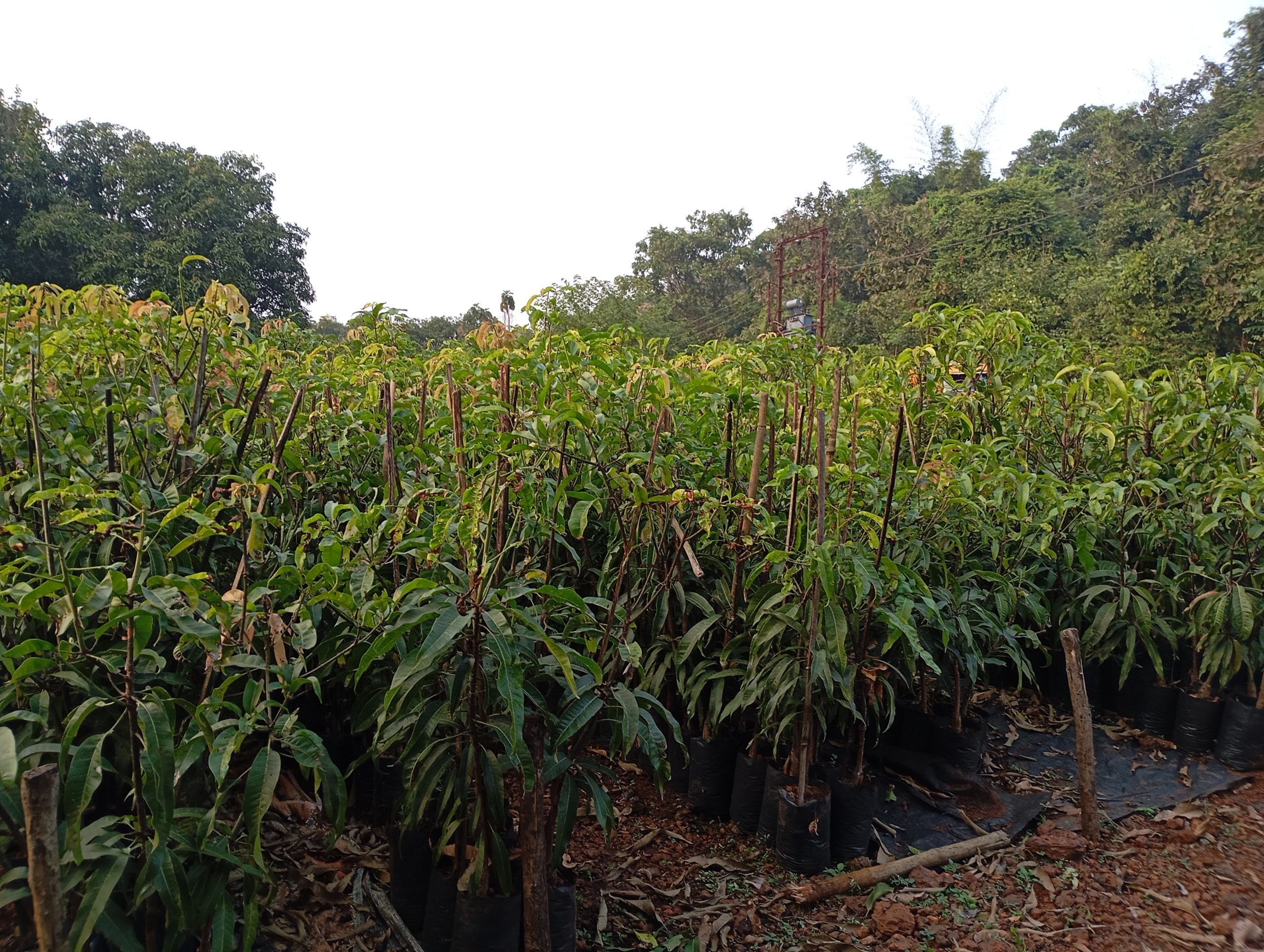
Bengaluru is rapidly emerging as a massive hub for high-value agricultural investments. With thousands of acres being developed into systematically managed farmlands, agro-forests, and commercial orchards around Devanahalli, Doddaballapur, Kanakapura Road, and the Hosur borders, corporate professionals and traditional landowners are turning toward long-term cash crops.
When it comes to premium fruit crops that command maximum market value, the Ratnagiri Alphonso (Hapus) sits right at the top. The domestic premium market in Bengaluru is one of the highest consumers of authentic Alphonso mangoes in South India, with luxury consumers willing to pay top rupee for genuine, high-quality fruit.
But can you successfully cultivate the premium coastal Alphonso mango on a commercial agricultural scale in the inland ecosystem of Bengaluru?
The answer is a definitive YES. In fact, Bengaluru’s distinct agro-climatic conditions offer strategic advantages that many commercial growers are now unlocking. Here is the blueprint for establishing a highly profitable Alphonso orchard in the Bengaluru region.
The Economic Edge: Bengaluru’s Agro-Climate for Alphonso
Establishing a commercial orchard requires predictable climatic behavior. Fortunately, Bengaluru’s geographical positioning provides excellent baseline metrics for mango farming:
-
Standardized Dry Windows for Flowering: The critical factor for high-density Alphonso yield is a crisp, prolonged dry spell from December through March to induce heavy flowering and prevent blossom drop. Unlike coastal zones that occasionally suffer from unexpected maritime humidity variations, the inland climate around Bengaluru offers stable, dry winter and spring phases.
-
The Power of Red Loam Soil: The vast majority of agricultural land surrounding Bengaluru features rich, deep red loamy soil. This soil structure provides stellar structural anchor points for deep root systems while maintaining excellent natural macro-drainage. Mango trees suffer from zero tolerance toward waterlogging, making these well-drained terrains highly ideal.
-
Immediate High-Value Market Access: Logistically, setting up your plantation near Bengaluru eliminates heavy interstate transport costs and middlemen margins. You are directly plugged into premium retail networks, tech-driven farm-to-table supply chains, and high-end organic markets within the metro city limits.
Commercial Orchard Planning: High-Density Layouts
For maximizing returns on high-value land investments around Bengaluru, traditional wide-spacing models are rapidly being replaced by modern high-density planting (HDP) frameworks. When purchasing your wholesale stock, align your numbers with these proven systems:
-
High-Density Planting (5m x 5m): Accommodates approximately 160 to 174 plants per acre. This balance allows easy tractor movement for spraying, intermediate tilling, and efficient mechanical pruning, ensuring a much faster initial return on capital investment.
-
Ultra High-Density Planting (3m x 4m): Accommodates up to 350+ plants per acre. This system requires strict canopy management through expert pruning and automated drip setups but yields massive crop loads in highly compressed spatial footprints.
3 Farm-Level Protocols for Commercial Success
To protect your commercial investment and guarantee peak yield, your field management must implement three essential rules:
1. Reject Seedlings, Secure Certified Grafts
Commercial viability cannot rely on genetic guesswork. Cheap, roadside seedling stock can lead to extreme tree-to-tree variation, wild fruit quality disparities, and a painful 8-to-10-year vegetative delay. Always deploy certified, scientifically hardened stone or wedge grafts sourced directly from the native parent orchards of the Ratnagiri district. This ensures a 100% true-to-type, uniform harvest timeline of 2 to 3 years.
2. Implement Automated Micro-Irrigation
While mature mango trees are highly drought-hardy, young commercial saplings require precise, metered moisture during their initial 24 months to accelerate structural wood development. Setting up a robust drip-irrigation network ensures uniform nutrient delivery via fertigation, maximizing uniform growth across your entire acreage.
3. Strategic Winter De-Budding
In the rich agricultural belts of Bengaluru, healthy young grafts will aggressively flush early blooms in their first and second winters. Commercial managers must strictly order the manual pinching (de-budding) of these premature flowers. Suppressing early fruiting redirects all metabolic energy into developing a thick, structural main trunk capable of sustaining heavy, commercial fruit weight from year three onward.
Bulk & Wholesale Logistics Built for Large-Scale Projects
Transitioning from small farm plots to commercial acreages requires a reliable logistics partner. We specialize in supplying high-volume, graded planting material directly to commercial farming sites across Bengaluru Rural and surrounding agro-zones:
-
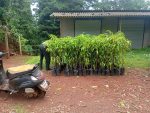
Industrial Crate Transit: To eliminate transit mortality, all wholesale plant batches are packed and transported vertically in heavy-duty, highly ventilated commercial crates via dedicated direct-to-farm point trucks.
-
Hardened Root Systems: Our plants undergo rigorous hardening routines before dispatch, ensuring they transition to the open sun and red soils of your field with near-zero transplantation shock.
-
Documentation Support: We provide complete commercial nursery paperwork, including detailed invoices, transport permits, and variety authenticity certifications for seamless project compliance.
Conclusion: Secure Your Commercial Agricultural Legacy
An Alphonso orchard is a highly lucrative, appreciating asset class. By choosing premium, native-bred grafts and implementing modern high-density farm management practices, you transform your agricultural land into a highly profitable enterprise that generates multi-generational wealth.
👉 Planning a large-scale project? Contact our dedicated wholesale division today. Share your acreage details and farm location to receive a custom bulk quote, structured transit plan, and expert agronomic guidance!
Call: 9867937456
Frequently Asked Questions (FAQs)
Q1: What is the ideal minimum land requirement to start a profitable high-density Alphonso project near Bengaluru?
A: While even a single acre can yield excellent returns using high-density methods (160+ trees), a scale of 2 to 5 acres is considered highly optimal to justify the initial setup costs of automated drip irrigation, fencing, and systematic farm management.
Q2: How does the fruit quality of Ratnagiri Alphonso grafts grown in Bengaluru compare to the original coastal yield?
A: When grown from genuine certified grafts in Bengaluru’s red soil, the fruit retains its perfect genetic fiberless pulp, rich saffron tint, and signature sweetness. Due to the lower humidity levels inland, the fruit skins are often cleaner and less prone to specific coastal fungal issues like black spots.