
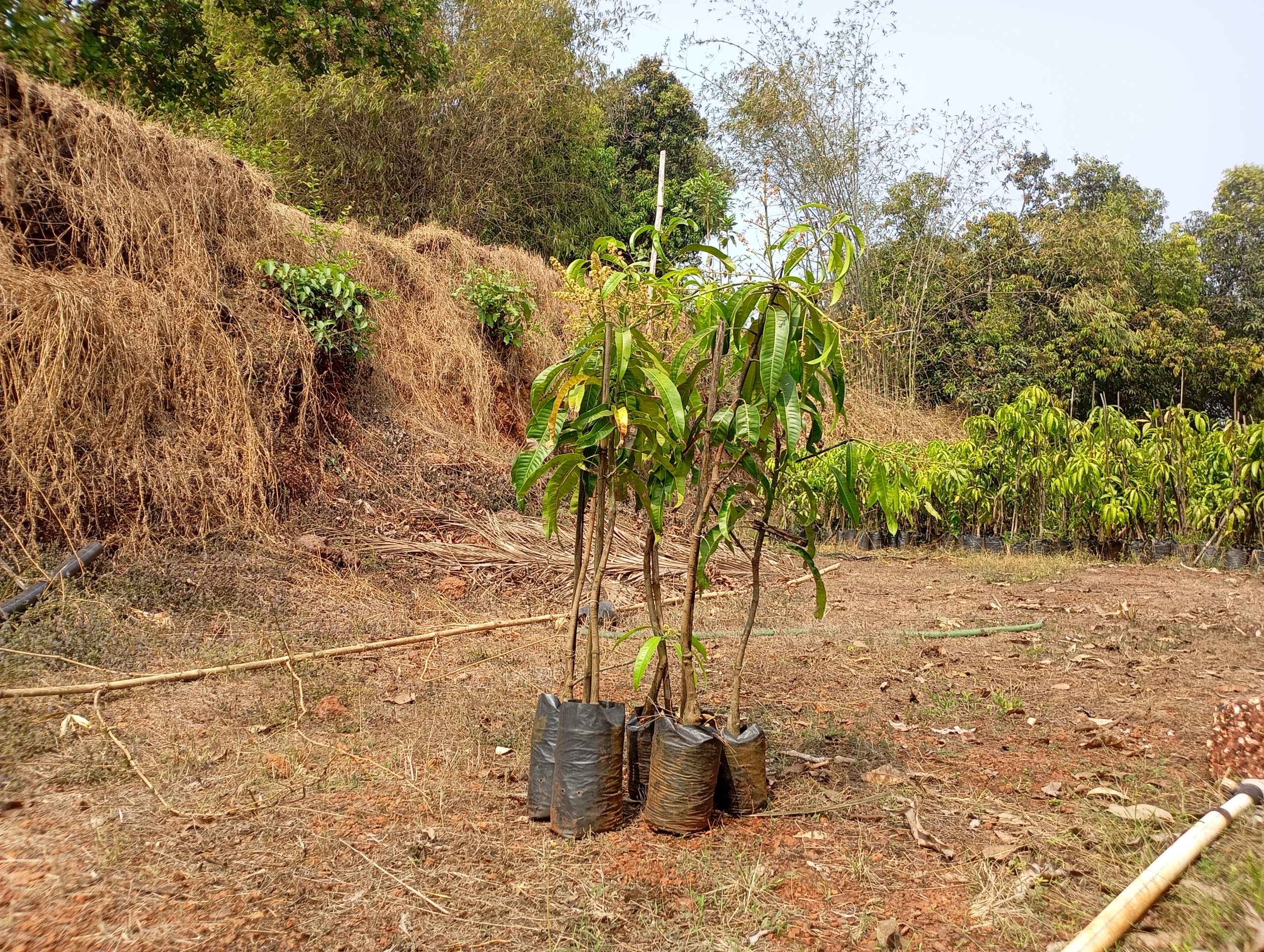
Karnataka is a true powerhouse when it comes to mango cultivation. From the absolute favorites like Badami (often called Karnataka’s own Alphonso), Raspuri, and Mallika, the state’s diverse agricultural belts are tailor-made for growing world-class fruits.
However, among all premium varieties, the demand for the authentic Ratnagiri Alphonso (traditionally known as Hapus or Apoos) remains unmatched in both domestic luxury markets and export channels.
Whether you are a commercial planter looking to diversify your orchards in districts like Kolar, Chikkaballapur, Dharwad, or Ramanagara, or a passionate backyard gardener in Bengaluru, Mysuru, or Hubballi, you might be wondering: Can we grow the genuine coastal Ratnagiri Alphonso successfully in Karnataka?
The answer is a definitive YES! Karnataka’s unique geographical conditions provide an excellent environment for this variety. Here is your complete guide to sourcing the right plants and successfully cultivating them in your region.
Why Karnataka’s Climate and Soil Suit the Alphonso Perfectly
The Alphonso tree is highly resilient and adapts beautifully to many of Karnataka’s prominent agro-climatic zones:
-
The Golden Sunshine Engine: Mango trees are sun worshippers, requiring at least 6 to 8 hours of clear, direct sunlight daily. Karnataka’s warm, tropical climate provides the ideal solar energy required to fuel fast vegetative growth and maximize sugar accumulation in the developing fruit.
-
Ideal Dry Spells for Flowering: For an Alphonso tree to develop its rich saffron pulp and distinct, room-filling aroma, it requires a clear dry spell during the flowering and fruit-setting stages (typically from December to May). Karnataka’s winter and summer patterns fit this timeline perfectly.
-
Excellent Soil Compatibility: Alphonso grafts thrive exceptionally well in the rich red loamy soils found heavily across Southern Karnataka (around Bengaluru and Kolar) as well as the laterite patches in the coastal and transitional belts. The key factor is drainage—mango roots hate stagnant water, and Karnataka’s sloped or well-draining terrains are ideal.
The Selection Trap: Avoid Seedlings, Source Authentic Grafts
To ensure a highly profitable harvest or a rewarding backyard experience, your initial planting material must be chosen with precision. Do not buy cheap, unverified seedlings grown directly from mango seeds.
Always look for scientifically grafted Alphonso plants (such as stone or wedge grafts) sourced from a verified parent nursery. Here is why:
-
Accelerated Harvest Timeline: A seed-grown tree can make you wait anywhere from 8 to 12 long years to produce its very first flower. A premium grafted plant skips this long childhood phase and begins consistent flowering in just 2 to 3 years.
-
Guaranteed Genetic Purity: Sourcing your saplings directly from a native nursery rooted in the original Hapus belt ensures that your tree carries the exact DNA of premium parent blocks—delivering that legendary fiberless, buttery texture and rich aroma.
3 Essential Cultivation Tips for Karnataka Growers
To get the absolute best results from your Alphonso plants, keep these expert tips in mind:
1. Manage the Red Soil Structure
While Karnataka’s red soil is nutrient-rich and excellent for mangoes, it can sometimes dry out rapidly or pack tightly during peak summers. When transplanting your saplings, dig a generous pit and enrich it with plenty of well-aged cow manure, organic vermicompost, and a handful of neem cake powder to keep the root zone porous, highly aerated, and naturally pest-resistant.
2. Implement Smart Drip Irrigation
Young Alphonso grafts require deep but infrequent watering to encourage their roots to grow deep into the soil. Setting up a drip irrigation system is highly recommended for commercial setups in drier belts like Kolar or Chikkaballapur. Reduce watering significantly during the onset of winter (November-December) to naturally induce heavy flowering.
3. The Pro “De-Budding” Trick
During the first two years after planting, your young graft will try to produce flowers. As tempting as it looks, gently pinch these early blooms off. Forcing the young sapling to skip early fruiting redirects all its energy into building a massive, powerful root system, ensuring structurally stable trees capable of holding heavy yields later.
Seamless, Safe Live Plant Delivery to Your Doorstep in Karnataka 📦
You no longer need to plan a long road trip to source premium, certified planting material. Our specialized nursery setup has perfected the art of long-distance live plant transit:
-
Moisture-Locked Root Bags: The root balls of our Alphonso grafts are treated and securely wrapped to preserve perfect hydration levels for up to a week of travel.
-
Sturdy Ventilated Tower Boxes: Plants travel vertically in heavy-duty, double-layered corrugated boxes with built-in air vents to prevent heat stress and crushing.
-
Comprehensive Logistics: We provide fully trackable, safe door-delivery to farms, nurseries, and residential addresses across every district of Karnataka.
Plant a Golden Legacy Today
A premium mango tree is a magnificent asset that adds value to your land, enhances the local environment, and provides a delicious, royal legacy that your family will celebrate for decades. Choose authenticity, plant with care, and enjoy the true taste of Alphonso right from your own soil.
👉 Ready to transform your green space? Explore our certified collection of premium, authentic Alphonso grafts today. We offer fully trackable, safe nationwide delivery straight to your farm or home across Karnataka!
Contact us: 9867937456
Frequently Asked Questions (FAQs)
Q1: Can I successfully grow an Alphonso mango tree in a pot in Bengaluru?
A: Yes, absolutely! Because our plants are scientifically grafted, they maintain a highly manageable, compact, and bushy framework. You can grow them successfully in large pots or containers (at least 18 to 24 inches wide) on sunny terraces or balconies. Ensure the spot gets at least 6 hours of direct sunlight daily.
Q2: What is the best month to plant Alphonso mango saplings in Karnataka?
A: The absolute best time to plant is during the early monsoon season (June to September) when the atmospheric humidity is high and the temperatures are moderate, allowing the roots to establish quickly. Another excellent window is the post-monsoon period (October to November).