
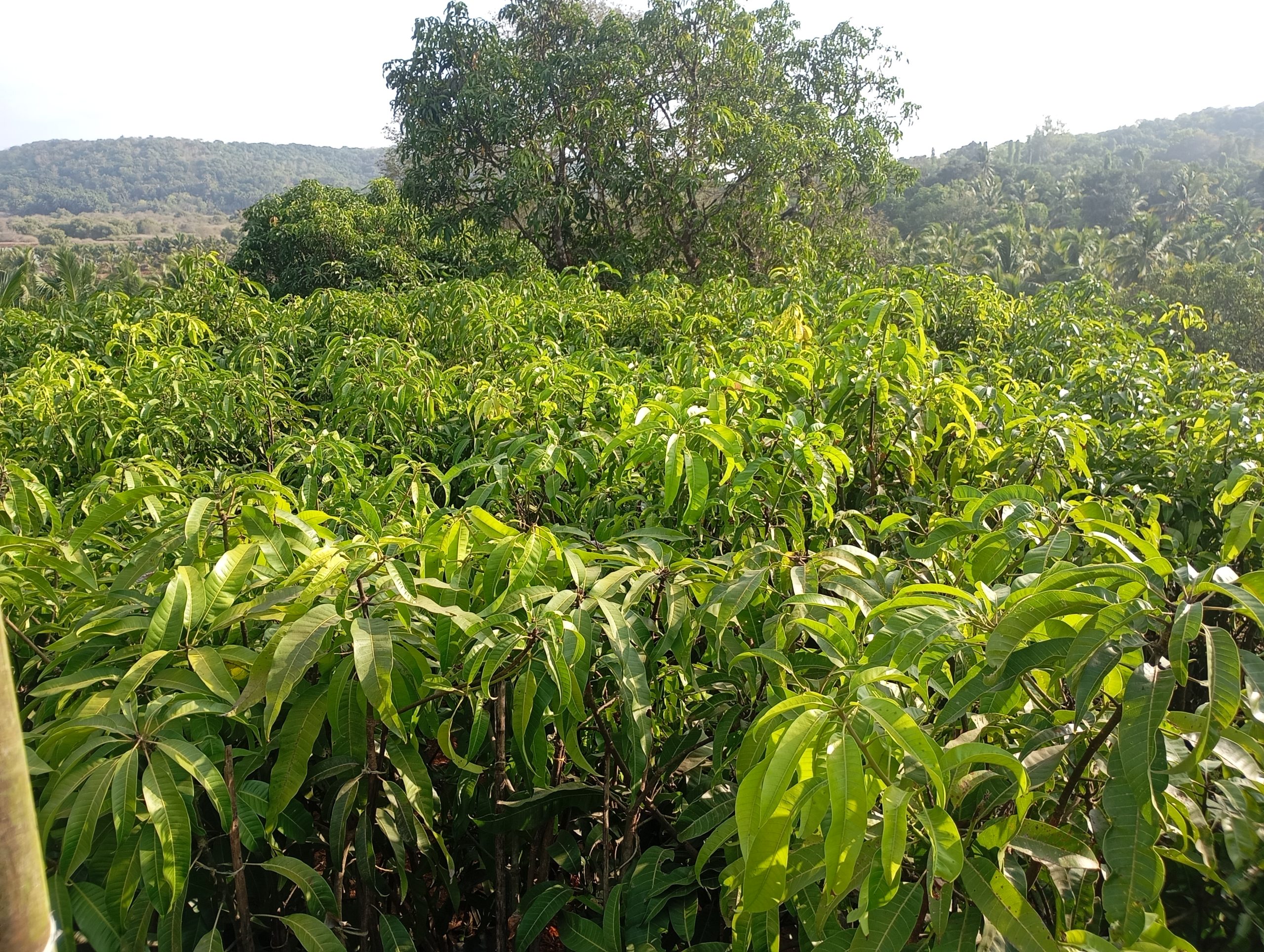
Gujarat is famously known as the land of entrepreneurs, and its agricultural sector is no exception. The state is already a massive player in the Indian mango ecosystem, with the globally renowned Kesar mango dominating the orchards of Junagadh, Gir, and the wider Saurashtra region.
However, forward-thinking commercial farmers and agro-investors frequently ask a high-value question: Can Alphonso grow in Gujarat successfully? While Kesar is the local pride, the Ratnagiri Alphonso (Hapus) commands an unmatched premium price in both domestic luxury markets and elite export channels.
The short answer is YES, absolutely. In fact, southern and parts of central Gujarat share incredible geographical and climatic similarities with the traditional Alphonso belts. With the right selection of certified grafts and modern orchard management, cultivating Alphonso in Gujarat is a highly lucrative business opportunity. Here is the complete commercial blueprint to doing it right.
The Economic Edge: Why Gujarat’s Agro-Climate Works for Alphonso
Cultivating Alphonso outside its traditional coastal home requires matching specific environmental parameters. Gujarat naturally ticks many of these boxes:
-
The South Gujarat Belt Advantage: Districts like Valsad, Navsari, Surat, and Bharuch are geographically positioned right along the western coast, sharing a highly similar ecosystem with the Konkan region. The combination of coastal humidity and rich soil makes South Gujarat an absolute goldmine for Alphonso cultivation.
-
Ideal Dry Winter Windows: For Alphonso trees to flower uniformly, they require a clear, dry vegetative resting period from November to February. Central and Western Gujarat experience perfectly dry, warm winters that trigger exceptional flowering and solid fruit retention, naturally keeping humid-weather pests at bay.
-
Adaptable Black Cotton and Heavy Soils: While Alphonso natively loves laterite rocks, it adapts beautifully to the rich black cotton soils and alluvial deposits of Gujarat, provided the land is prepared correctly. These soils hold structural nutrients incredibly well, fueling rapid tree canopy development.
Commercial Orchard Planning: High-Density & Drainage First
To run a highly profitable commercial Alphonso orchard in Gujarat, farmers must move away from outdated, wide-spaced farming layouts and adopt modern horticultural designs:
-
High-Density Planting ($5 \text{ m} \times 5 \text{ m}$ Layout): This design accommodates approximately 160 to 174 plants per acre. High-density matrices allow the tree canopies to shade the orchard floor collectively, drastically lowering soil water evaporation during the dry summer months and maximizing yield per square foot.
-
The Raised Bed Method for Heavy Clay Soil: In areas of Central or South Gujarat where the soil is heavy clay and retains water, planting should be done on raised beds or deep ridges. Mango roots have zero tolerance for waterlogging (stagnant water), and elevated beds ensure excess water during the heavy monsoon drains away instantly.
3 Farm-Level Protocols for Commercial Success
To protect your investment capital and guarantee export-grade, fiberless fruit, implement these three operational rules:
1. Ban Unverified Seedlings, Deploy Certified Grafts
You cannot build a commercial agribusiness on genetic guesswork. Roadside seedlings will keep you waiting for a decade and usually yield sour, stringy wild fruits. Deploy exclusively certified, scientifically hardened stone or wedge Alphonso grafts sourced directly from verified parent blocks. These premium grafts bypass the long childhood phase and begin uniform commercial flowering in just 2 to 3 years.
2. Strategic Micro-Irrigation & Fertigation
While mature mango trees can withstand dry spells, young commercial saplings need precise, metered moisture during their first 24 months to build strong, structural wood. An automated drip-irrigation network is non-negotiable. It allows you to practice fertigation—delivering nutrients directly to the root zone—ensuring uniform, rapid growth across your entire acreage.
3. Winter De-Budding for Long-Term Strength
In the fertile agricultural soils of Gujarat, healthy young Alphonso grafts will aggressively flush early flowers in their first two winters. Field managers must strictly order the manual pinching (removal) of these premature blooms. Suppressing early fruiting redirects all the plant’s energy into building a powerful trunk and robust root engine, ensuring structurally stable trees capable of holding heavy yields from year three onward.
Bulk & Wholesale Logistics Built for Gujarat Farms
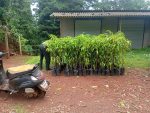
Transporting live green cargo into Gujarat requires a logistics partner who understands transit stress and agricultural timelines. We specialize in shipping high-volume wholesale orders of premium Alphonso grafts directly to commercial farming sites across Gujarat:
-
Industrial Crate Transit: To eliminate transit mortality, all wholesale plant batches are secured vertically in heavy-duty, highly ventilated commercial crates via dedicated direct-to-farm point trucks.
-
Field-Hardened Stocks: Our plants undergo rigorous sun-hardening routines before loading, ensuring they transition to the open fields and unique soils of Gujarat with near-zero transplantation shock.
Conclusion: Secure Your High-Value Agricultural Enterprise
An Alphonso orchard is a highly lucrative, appreciating asset class that generates reliable returns for decades. By combining authentic, native-bred grafts with modern high-density farm management, you can diversify your agricultural portfolio and introduce the royal sweetness of authentic Hapus to the fertile soils of Gujarat.
👉 Planning a commercial project in Gujarat? Contact our dedicated wholesale division today. Share your total acreage details and district location to receive a custom bulk quote, structured transit blueprint, and expert agronomic guidance!
Contact: 9867937456
Frequently Asked Questions (FAQs)
Q1: Will growing Alphonso affect my existing Kesar mango harvest?
A: Not at all. In fact, diversifying your orchard with both Kesar and Alphonso is an excellent commercial strategy. It spreads your market risk and allows you to cater to two entirely different premium consumer segments simultaneously.
Q2: Which areas of Gujarat are best suited for Alphonso cultivation?
A: While South Gujarat (Valsad, Navsari, Surat) is the absolute prime zone due to its favorable coastal climate, Central Gujarat (Anand, Vadodara) and parts of Saurashtra can also yield excellent results with proper drip irrigation and soil drainage management.