
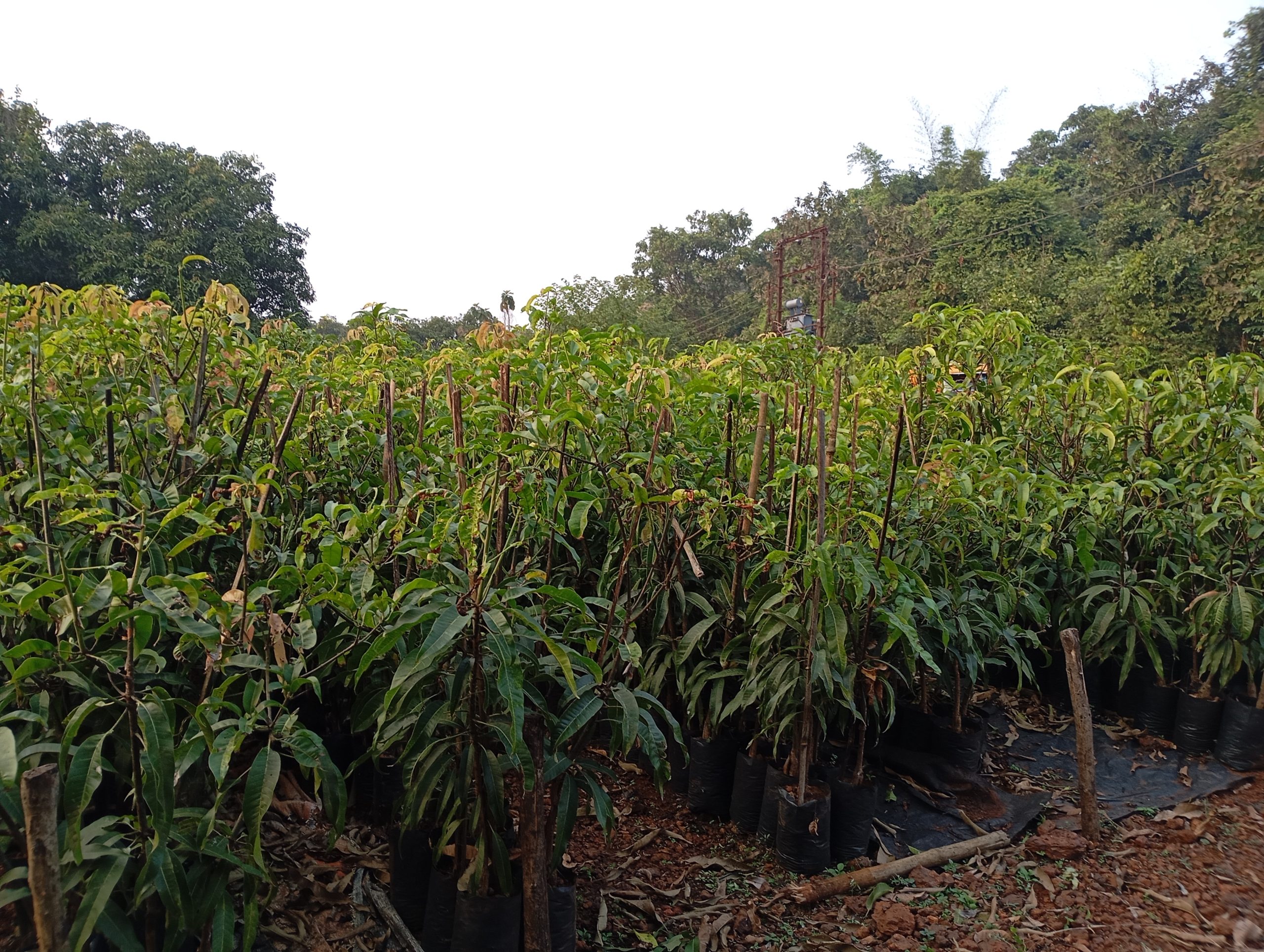
When we think of Rajasthan’s agriculture, crops like mustard, bajra, and cluster beans usually come to mind. Similarly, when we think of the legendary Alphonso Mango (Hapus), our minds immediately go to the humid, coastal orchards of Konkan. For decades, traditional wisdom suggested that the “King of Fruits” could never survive the extreme heat and arid soil of the desert state.
However, modern horticulture is rewriting the rules. Thanks to advanced grafting techniques, targeted micro-irrigation, and specialized soil management, growing Alphonso mango in Rajasthan is no longer a myth—it is a highly profitable commercial reality.
Regions like Kota, Jhalawar, Udaipur, and parts of Jaipur are increasingly turning into fruit-growing belts. If you are a commercial farmer or an agro-investor looking to establish a high-value orchard in Rajasthan, this guide provides the definitive blueprint to turning arid land into a golden mango harvest.
The Economic Edge: Why Rajasthan’s Climate Secretly Favors Alphonso
At first glance, Rajasthan’s weather looks like a challenge. But when managed correctly, the desert climate offers unique strategic advantages that coastal zones lack:
-
Zero Humid Fungal Pressures: The greatest enemy of the Alphonso mango during flowering is high atmospheric humidity, which brings pests like mango hoppers and diseases like powdery mildew. Rajasthan’s bone-dry winters and springs naturally keep these devastating pests away, dramatically reducing your pesticide and management costs.
-
Abundant, Intense Solar Energy: Mango trees require massive amounts of direct sunlight to accumulate sugars. The intense solar radiation in Rajasthan acts as a hyper-engine for photosynthesis, resulting in exceptionally sweet fruits with rich, concentrated flavor profiles.
-
The Early-Market Advantage: Certain warmer pockets of Rajasthan experience early spring transitions. By optimizing your watering schedules, you can bring your Alphonso harvest to the premium markets of Delhi-NCR, Jaipur, and Mumbai early in the season, capturing the absolute highest wholesale prices.
Commercial Orchard Planning: Combating the Arid Heat
To successfully run a commercial Alphonso orchard in an arid climate, traditional open-field methods must be upgraded to water-smart, heat-resilient setups:
-
High-Density Planting : This accommodates roughly 160 to 174 plants per acre. In Rajasthan, keeping the trees in a structured, high-density matrix allows the developed canopies to shade the ground collectively, reducing soil water evaporation and protecting trunks from sunscald.
-
Windbreak Border Systems: The intense summer winds (Loo) can dry out young plants and cause fruit drop. It is mandatory for commercial farms in Rajasthan to plant a dense border of tall, windbreaking trees like Casuarina or Eucalyptus along the western and northern boundaries before planting the mango grafts.
3 Farm-Level Protocols for Commercial Success
To ensure your investment delivers heavy, high-quality export yields, strictly implement these three operational rules:
1. Avoid Unverified Seedlings, Deploy Certified Grafts
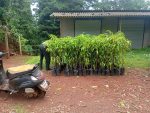
You cannot build a commercial agribusiness on structural guesswork. Cheap, unverified roadside seedlings will take a decade to mature and usually yield sour, stringy wild fruits. Deploy exclusively certified, scientifically hardened stone or wedge Alphonso grafts sourced directly from verified parent blocks. Raised on resilient, drought-hardy rootstocks, these premium grafts will begin uniform commercial flowering in just 2 to 3 years.
2. Drip Irrigation and Hydrogel Integration
Water management is the backbone of Rajasthan farming. An automated drip-irrigation network is non-negotiable. To maximize water efficiency, mix organic water-retaining hydrogels or high quantities of coco-peat into the planting pits. This keeps the root zone consistently moist while cutting your overall water consumption by up to 40%.
3. Deep Organic Pit Conditioning
Rajasthan’s sandy or rocky soils often lack organic matter and micro-nutrients. Dig generous $3 \times 3 \times 3$ feet pits well ahead of the monsoon. Fill them with a rich blend of local soil, heavy amounts of well-aged cow manure (Vermicompost), gypsum (to counter soil alkalinity), and a solid handful of neem cake powder to naturally repel termites.
Bulk & Wholesale Logistics Built for Rajasthan Farms
Transporting live green cargo across states into dry zones requires a logistics partner who understands plant stress. We specialize in shipping high-volume wholesale orders of premium Alphonso grafts directly to commercial farming sites across Rajasthan:
-
Industrial Crate Transit: All plant batches are stacked vertically in highly ventilated commercial crates and transported via dedicated point-to-point trucks, guaranteeing zero crushing or transit mortality.
-
Arid-Hardened Stock: Before loading, our wholesale batches undergo a strict field-hardening process, ensuring the root systems are ready to transition into the sunny fields of Rajasthan seamlessly.
Conclusion: Secure Your High-Value Agricultural Enterprise
An Alphonso orchard is a long-term, climate-resilient asset that appreciates in value every year. By combining authentic, native-bred grafts with modern drip irrigation and soil preparation, you can transform Rajasthan’s open lands into a highly profitable enterprise that generates multi-generational agricultural wealth.
👉 Planning a commercial project in Rajasthan? Contact our dedicated wholesale division today. Share your acreage details and district location to receive a custom bulk quote, structured transit blueprint, and expert agronomic guidance!
Contact us: 9867937456
Frequently Asked Questions (FAQs)
Q1: How do we protect young Alphonso plants from extreme frost during North Rajasthan winters?
A: During the peak winter weeks of December and January, young plants under two years old should be protected by creating simple thatch structures (Chhappar) over them using local grass, leaving the eastern side open for morning sunlight. Light drip irrigation during frost-threat nights also stabilizes root temperatures.
Q2: Can Alphonso handle the alkaline soil conditions found in parts of Rajasthan?
A: Yes, provided the pits are treated correctly during preparation. Adding organic matter, compost, and regular applications of gypsum or elemental sulfur helps balance local soil pH, allowing the hardy rootstocks to absorb nutrients efficiently.